September 8, 2026
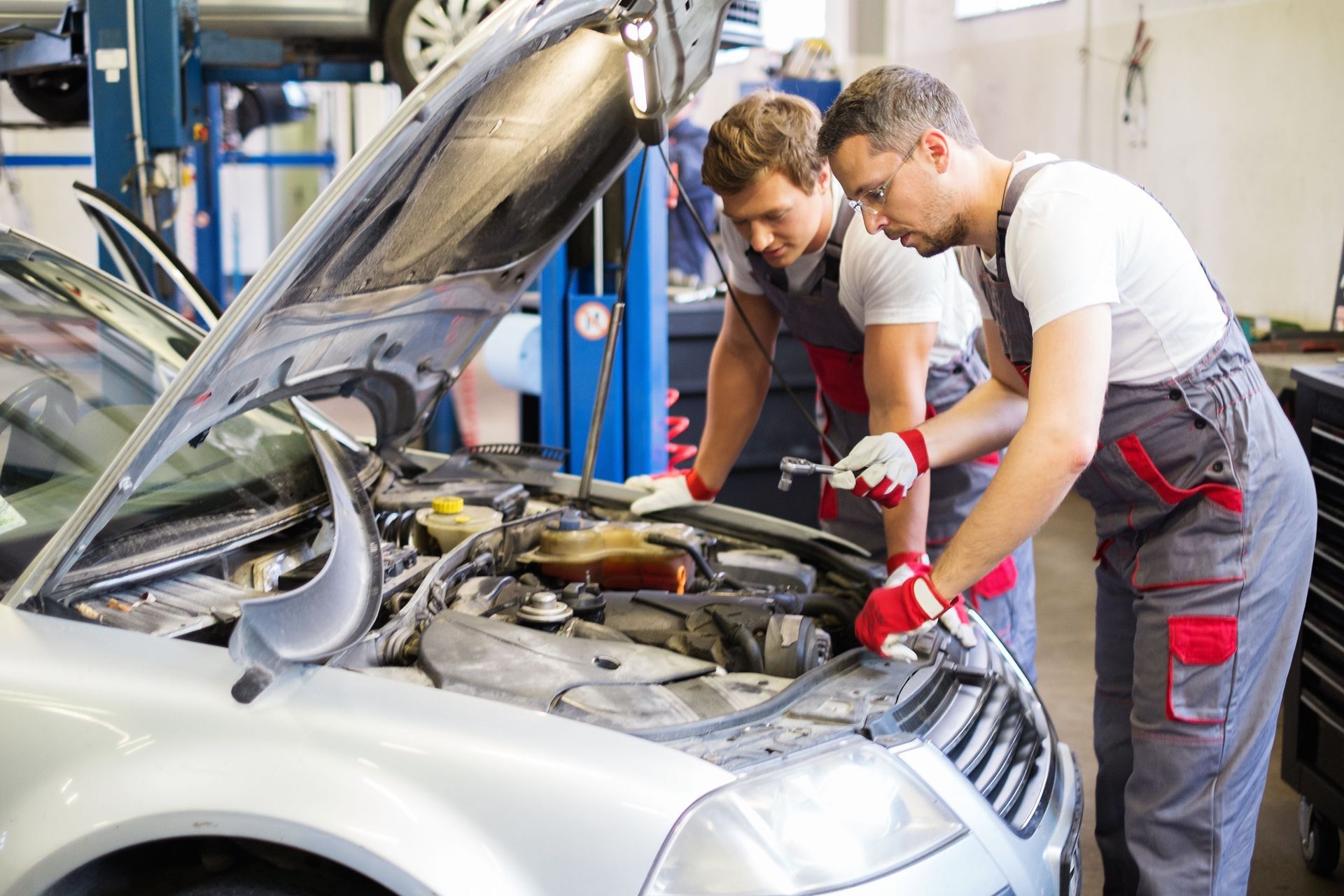
Auto maintenance is crucial for ensuring the longevity and performance of your vehicle. Understanding the costs involved can help car owners make informed decisions and plan their budgets effectively. Regular upkeep prevents unexpected breakdowns, extending the life of a car substantially. By dissecting the common expenses and highlighting cost-saving strategies, this article aims to equip readers with invaluable insights into managing auto maintenance.
1. What are the common expenses in auto maintenance?
1.1 Regular Oil Changes
Regular oil changes are a fundamental aspect of auto maintenance. Each oil change ensures that the engine runs smoothly by reducing friction and wear. Many experts recommend changing the oil every 3,000 to 5,000 miles to maintain optimal engine health. These oil changes can typically cost between $30 and $100 each depending on the vehicle and type of oil used.
Beyond the immediate benefits, regular oil changes can save car owners from more costly repairs down the road. Lubrication is essential in preventing engine overheating, ensuring that all engine parts function well together. Clean oil helps remove engine heat, reducing the risk of parts warping or breaking. Furthermore, frequent oil changes improve fuel efficiency, saving on gas expenses over time.
With routine oil change costs factoring into the annual maintenance budget, understanding this expense is crucial. According to Consumer Affairs, average car maintenance costs range from $400 to $1,200 per year. Including oil change expenses in this calculation helps prepare car owners financially. Therefore, consistent oil maintenance supports both vehicle longevity and economic efficiency.
1.2 Tire Rotation and Replacement
Tire rotation and replacement are pivotal in sustaining vehicle performance and safety. Rotating tires every 6,000 to 8,000 miles promotes even wear, enhancing tire life and vehicle handling. The process typically costs between $20 and $50 per rotation, a small price compared to the potential risks of unevenly worn tires. Replacement, however, incurs higher costs, depending on the tire brand and quality, and may range from $50 to $200 per tire.
Regular tire maintenance ensures better traction and braking performance, crucial for driver safety during adverse weather conditions. Failing to rotate tires can result in premature wear and necessitate quicker replacement, ultimately increasing overall auto maintenance costs. Proper inflation and alignment further contribute to tire longevity and vehicle efficiency. Maintaining accurate tire pressure enhances fuel economy by reducing road friction.
Including tire rotation in routine auto maintenance limits future expenses and mitigates the risks of accidents caused by faulty tires. Understanding appropriate timing and cost expectations allows drivers to allocate funds wisely within their maintenance budgets. Tire care is an often underrated but impactful factor in extending vehicle lifespan and functionality. Avoiding costly replacements, when preventable, frees up resources for other potential maintenance needs.
2. Why is preventative maintenance crucial?
2.1 Benefits of Preventative Maintenance
Preventative maintenance serves as a proactive strategy to avert potential vehicular issues before they escalate into more costly repairs. Regular inspections and service keep the vehicle operating efficiently and safely. By adhering to recommended service intervals, car owners can mitigate the risk of surprise mechanical failures. This foresight allows for a stable and predictable driving experience.
Proactively maintaining a vehicle translates into numerous advantages, such as superior performance, increased component lifespan, and improved resale value. Continuous care boosts vehicle reliability and prevents the need for emergency repairs, which can be both stressful and expensive. Additionally, preventative maintenance reduces the likelihood of breakdowns and the associated inconvenience. Ensuring the vehicle remains roadworthy enhances comfort and peace of mind on long drives.
Auto maintenance schedules act as a guideline for optimal vehicle performance and cost efficiency. Consumer Affairs highlights that annual expenses can vary widely, underscoring the value of strategic planning in maintenance activities. This approach emphasizes the importance of anticipating needs and addressing them promptly. Ultimately, preventative care pays off by sustaining vehicle health and minimizing unexpected financial burdens.
2.2 Cost Savings in the Long Run
Investing in preventative maintenance yields significant cost savings over the vehicle's lifetime. Regular checks and adjustments diminish the likelihood of major system failures, which are often more expensive to fix than minor issues. By detecting problems early, car owners can address them promptly, thus preventing extensive damage. This vigilance is particularly beneficial for components such as the engine, transmission, and suspension systems.
The financial logic of preventative maintenance is supported by the statistics reflecting average maintenance costs. With Consumer Affairs citing annual costs of up to $1,200, an organized, preventative approach secures more commanding control over these expenses. It shields car owners from costly surprises, allowing for planned expenditure instead of reactive financial pressures. Moreover, preventative maintenance leads to savings beyond financial, as it also reduces ecological impact through efficient engine performance and reduced emissions.
Committing to a regular maintenance regime extends the functional life of the vehicle, thereby delaying the need for expensive replacements or purchasing a new car altogether. This long-term perspective underscores the importance of maintaining comprehensive service records, which enhance trade-in or resale value by demonstrating consistent care and attentiveness. Accordingly, adherence to preventative maintenance validates its virtue by fostering economic stability and vehicular dependability.
3. How can I reduce auto maintenance costs?
3.1 DIY Maintenance Practices
Do-it-yourself (DIY) maintenance practices empower car owners by reducing reliance on professional services for basic tasks. Activities such as checking and topping off fluids, replacing air filters, and changing spark plugs are within reach for most owners with an internet connection and a set of basic tools. By managing these tasks, vehicle owners save on labor costs and learn more about their vehicles. Familiarity with car systems cultivates a sense of ownership and responsibility towards the vehicle’s health.
Engaging in DIY maintenance requires adherence to guidelines and understanding one's limits. Starting with simple tasks and progressing as confidence grows is advisable. The resources available through online tutorials and community forums offer valuable insights and step-by-step instructions. Over time, owners may find themselves independently handling more complex tasks, further reducing maintenance expenses.
While DIY practices offer cost savings, it's crucial to recognize when professional intervention is necessary. A haphazard approach may compromise safety or lead to more costly repairs than initially anticipated. Balancing self-service with professional maintenance fosters effective auto maintenance and proficient cost management. This balance ensures precision in handling vehicle systems without compromising their integrity or performance.
3.2 Shopping for Affordable Parts
Acquiring affordable parts is a practical approach to minimizing auto maintenance expenses. Online marketplaces and local stores often provide a variety of parts at competitive prices. By researching, comparing, and negotiating prices, car owners can economize significantly on necessary components like brake pads, air filters, and belts. Establishing relationships with local vendors may also lead to discounts and special offers over time.
Besides affordability, the sourcing of parts should emphasize quality to prevent frequent replacements and related costs. Genuine parts are usually more reliable and contribute to enduring performance and safety. Consulting forums, reviews, and experts assists in making informed purchase decisions. With expert advice, car owners navigate the balance between cost savings and reliable quality effectively.
Efficient part sourcing also involves considering warranty and return options, ensuring buyer protection. A conscious approach to buying parts not only reduces immediate expenses but also supports sustainable vehicle management. Through thoughtful part procurement, drivers can maintain optimal vehicle performance without inflating their maintenance budget. These strategies demonstrate how informed choices underpin significant cost reductions in the long run.
The costs of auto maintenance can vary significantly, but with proper understanding and planning, car owners can effectively manage these expenses. Educating yourself about common maintenance issues and how to address them is key to preserving your vehicle and your wallet. Through scheduled upkeep, attention to necessary repairs, and strategic cost saving measures, vehicle owners can ensure optimal performance and reliability. By integrating preventative practices and informed expense management, the process of maintaining a vehicle becomes a structured, predictable endeavor. Reach out to Baron's Foreign Car Service today to see how we can help you!